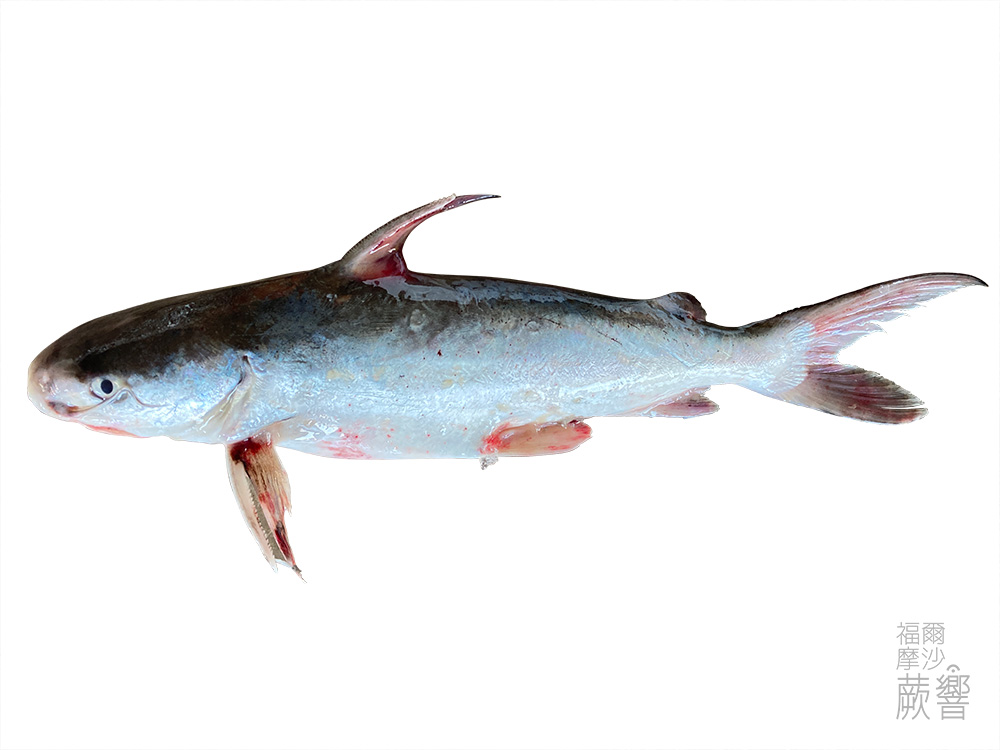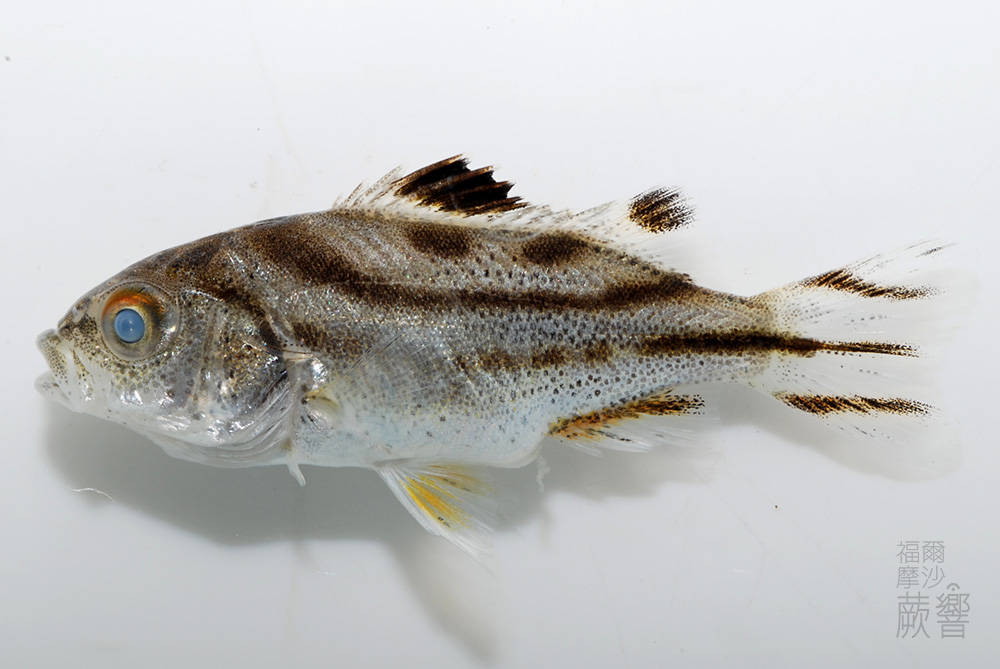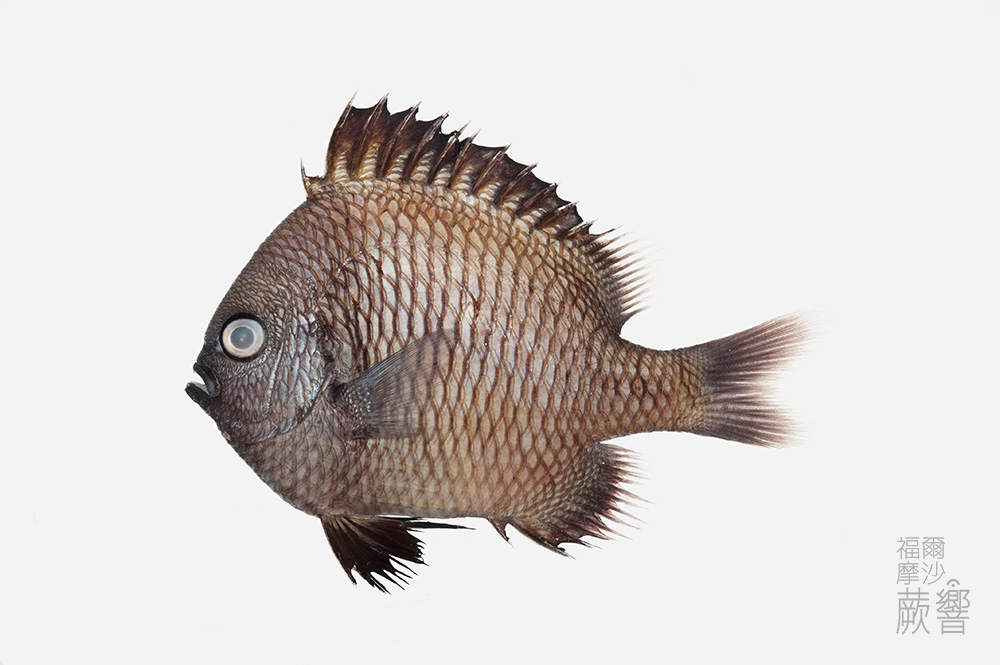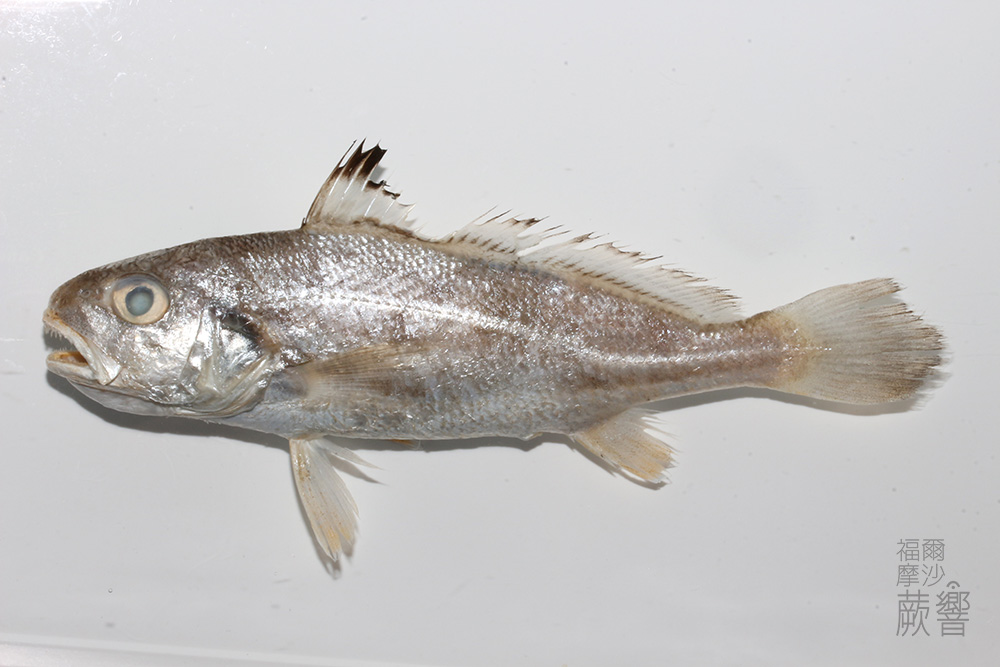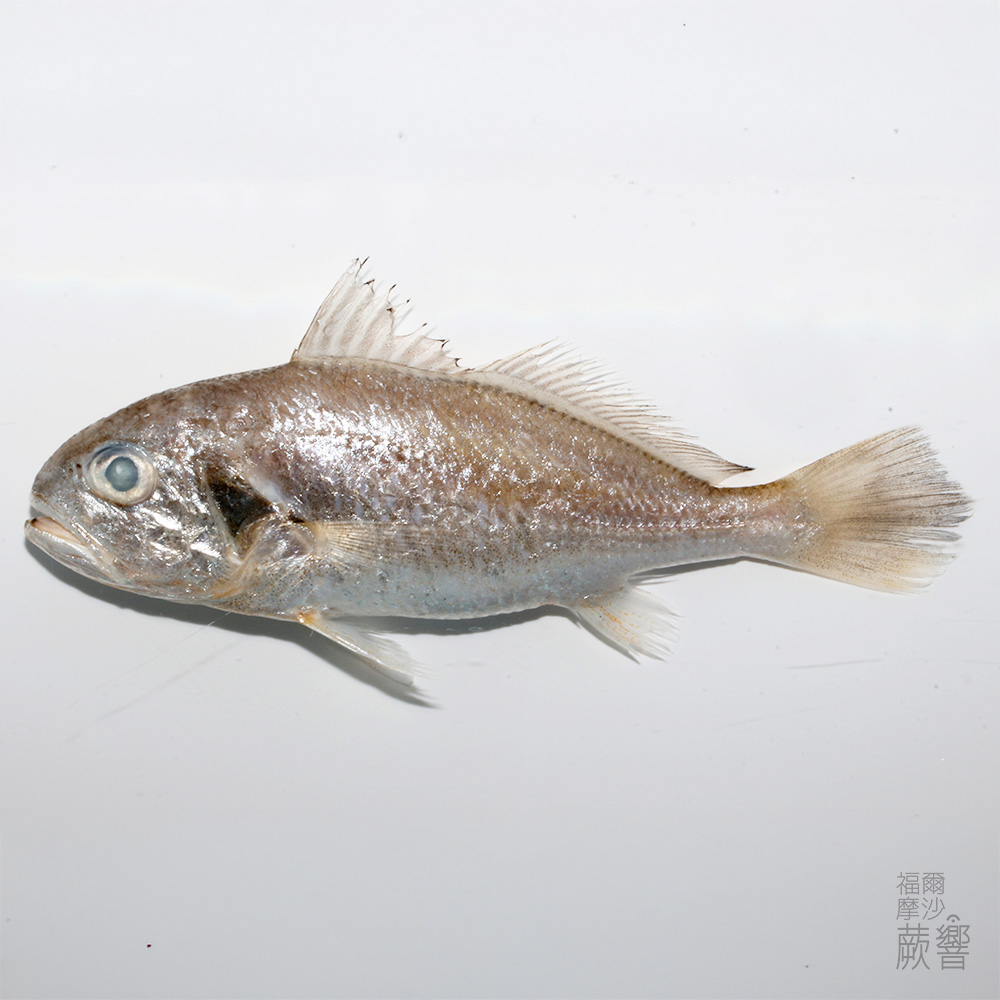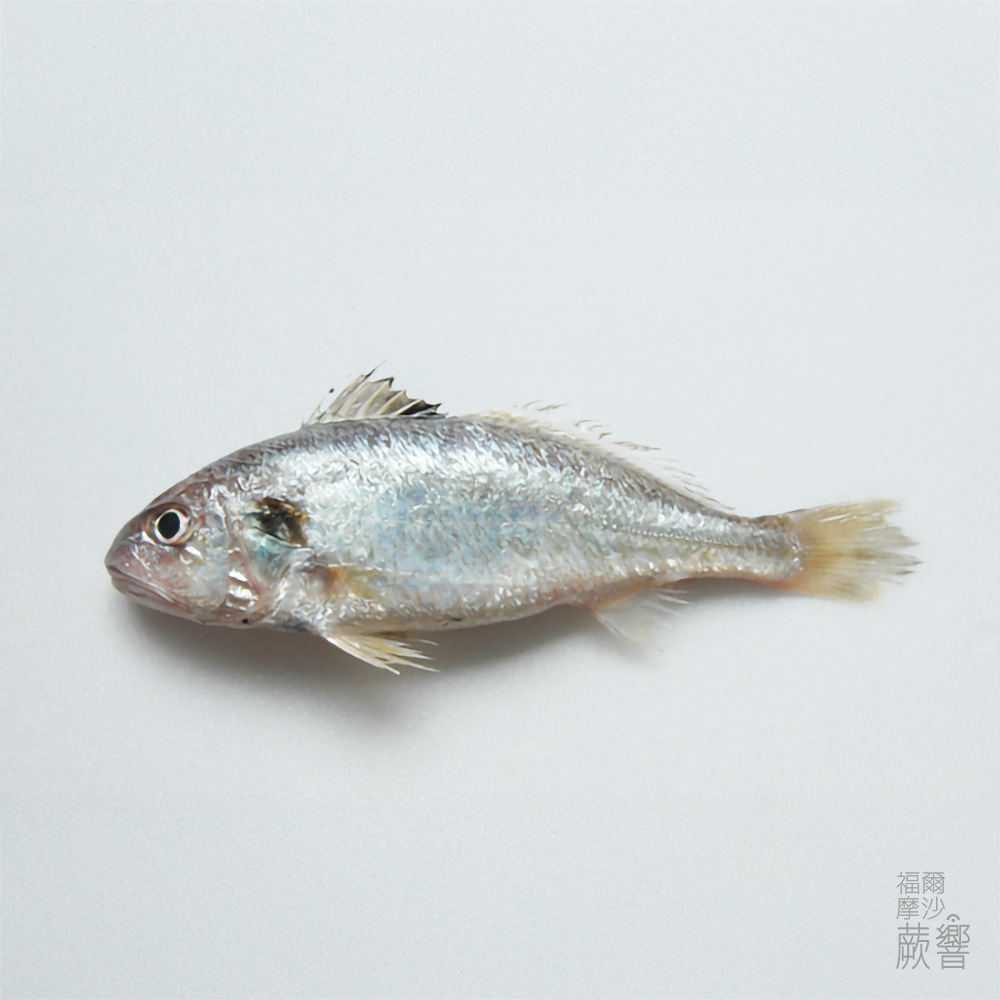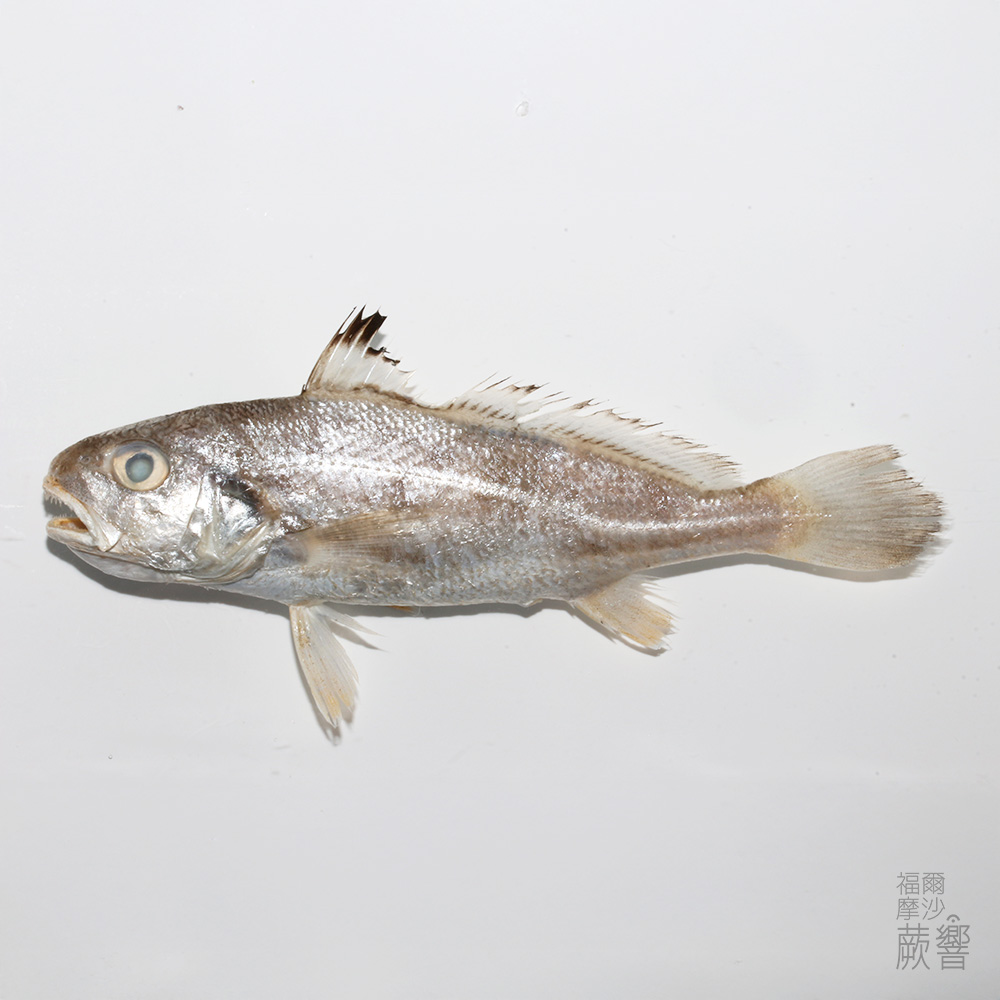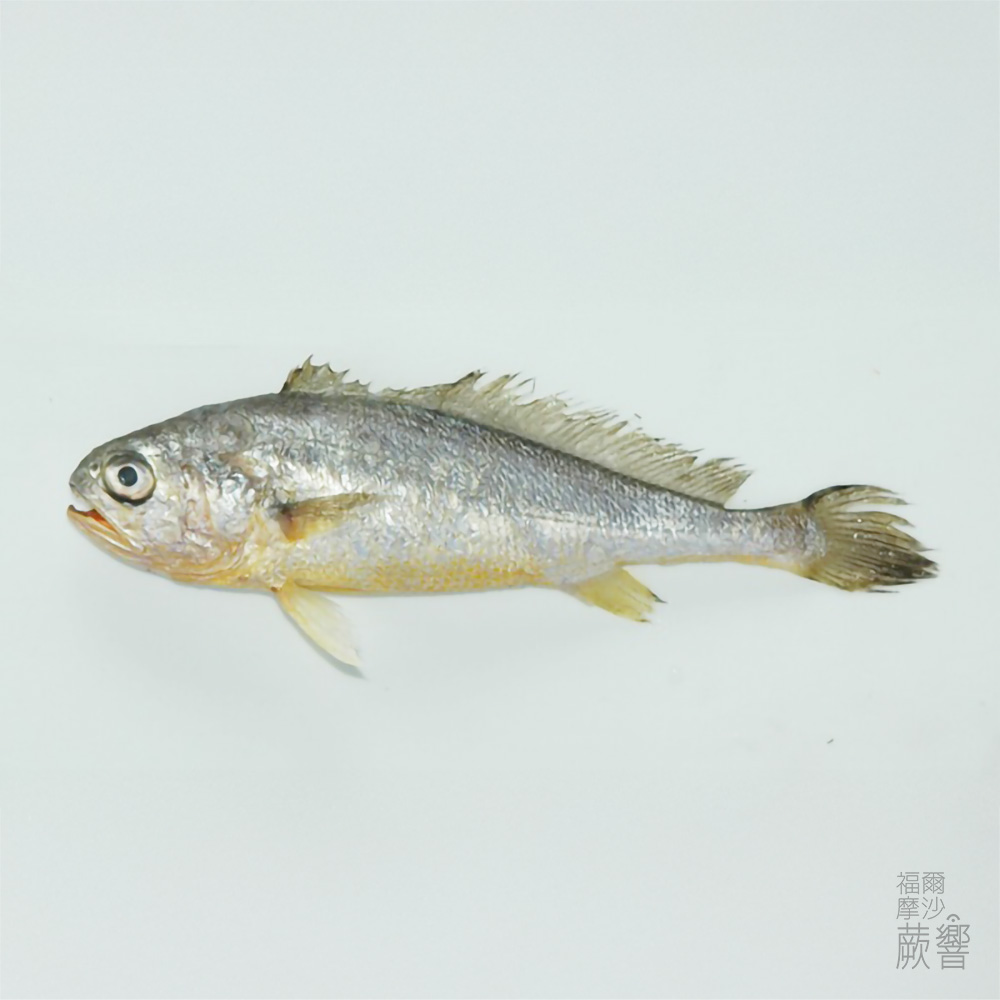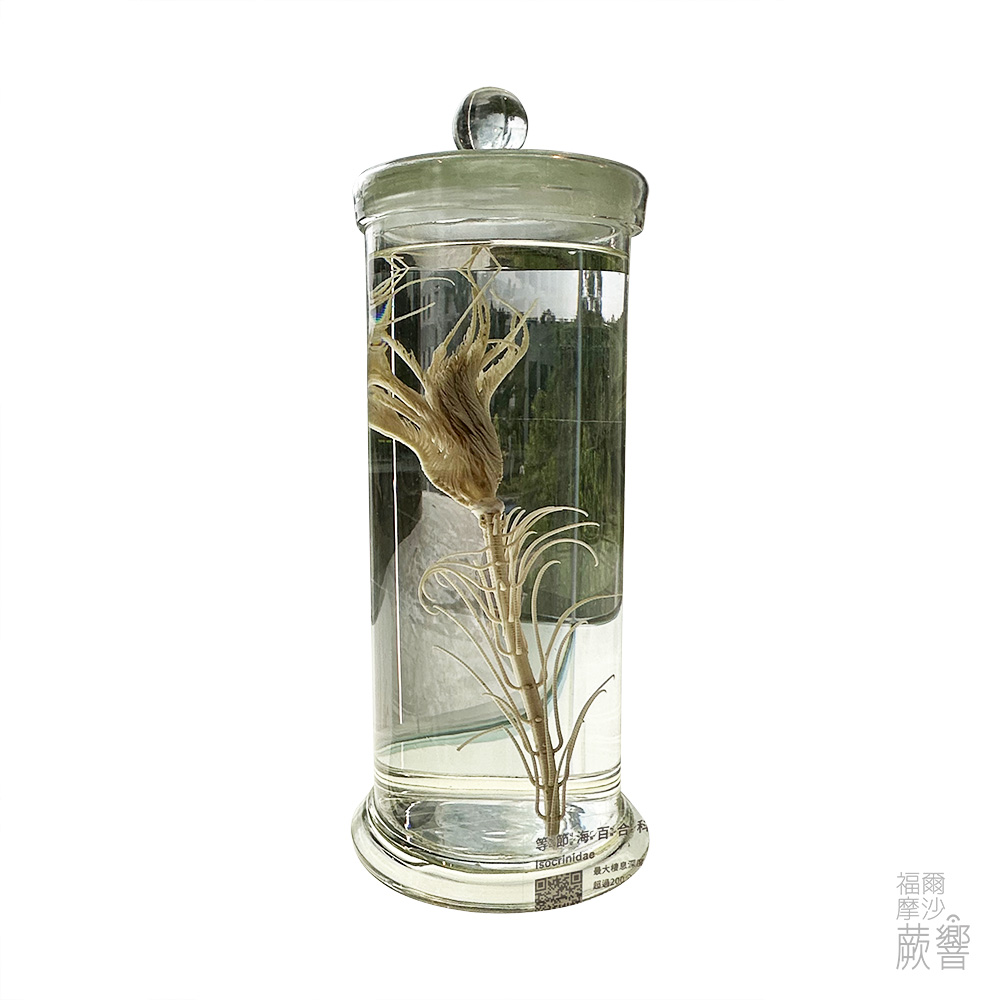

全世界目前超過3萬6千種的魚類中,已知超過800種魚類會發出聲音。這些魚類發出聲音的原因包括吸引異性、相互辨識、作為警戒等,可以說與牠們的生存息息相關。魚類通常藉由在身體某些部位製造震動來發出聲音。有些魚類藉由碰撞牙齒來發聲(如雀鯛)、有些魚類藉由摩擦骨骼來發聲(如海鯰)、有些魚類藉由利用發聲肌及魚鰾的震動來發出聲音(如石首魚)、有些魚類利用產生水流或氣泡來發出聲音(如沙丁魚)。
這些會發出聲音的魚類有相當多樣的棲息環境,有些棲息在混濁的河口海岸水域中(如石首魚和海鯰),有些棲息在清澈的珊瑚礁水域之中(如雀鯛),牠們共同為海洋增添了幾分熱鬧,現在就讓我們透過展覽櫥窗來認識這群會唱歌的魚類吧。
More than 800 species of fish around the world are known to make sounds. The sounds made by different fish species have different functions: some to find a mate, some to identify each other, and some to serve as warnings against threats. This exhibition introduces several fish species that can produce sounds. For example, damselfish make sounds by snapping their teeth together and croakers make sounds by vibrating their swim bladders with special muscles.

研究人員透過研究魚類的骨骼形態,可以用來探討牠們的分類、親緣及演化,而將魚製作成透明染色標本便是一種研究魚類骨骼形態的重要方法。俗稱透明魚的透明魚類染色標本,其製作工序繁複,整體而言需經過標本固定、軟骨染色、浸泡胰蛋白脢使魚體變透明、硬骨染色等多道製作程序,最終長久保存在甘油之中。一般製作完成的透明魚類染色標本都能夠清楚地觀察到被染成藍色的軟骨以及被染成紅色的硬骨,兼具研究功能與觀賞性。
Shown here are cleared and stained transparent fish specimens. Making fish into these transparent specimens is a method of studying their bone structures. Through this kind of study, researchers can investigate the classification, phylogeny and evolution of a fish species.
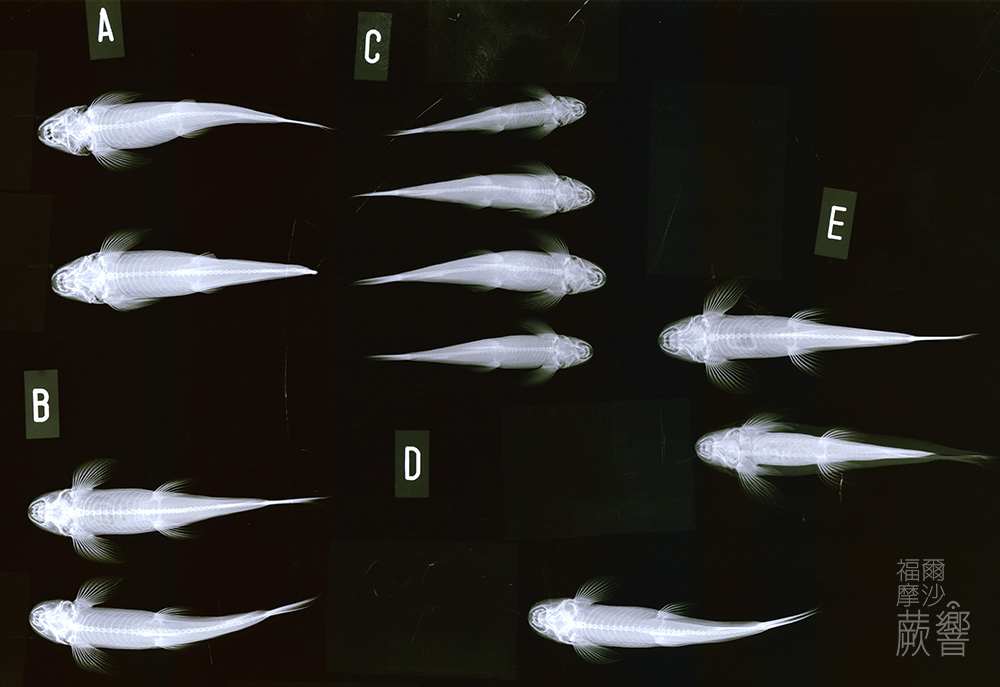
◼︎ 拍攝X光照片是研究魚類骨骼形態的另一種方法
X-ray image of fishes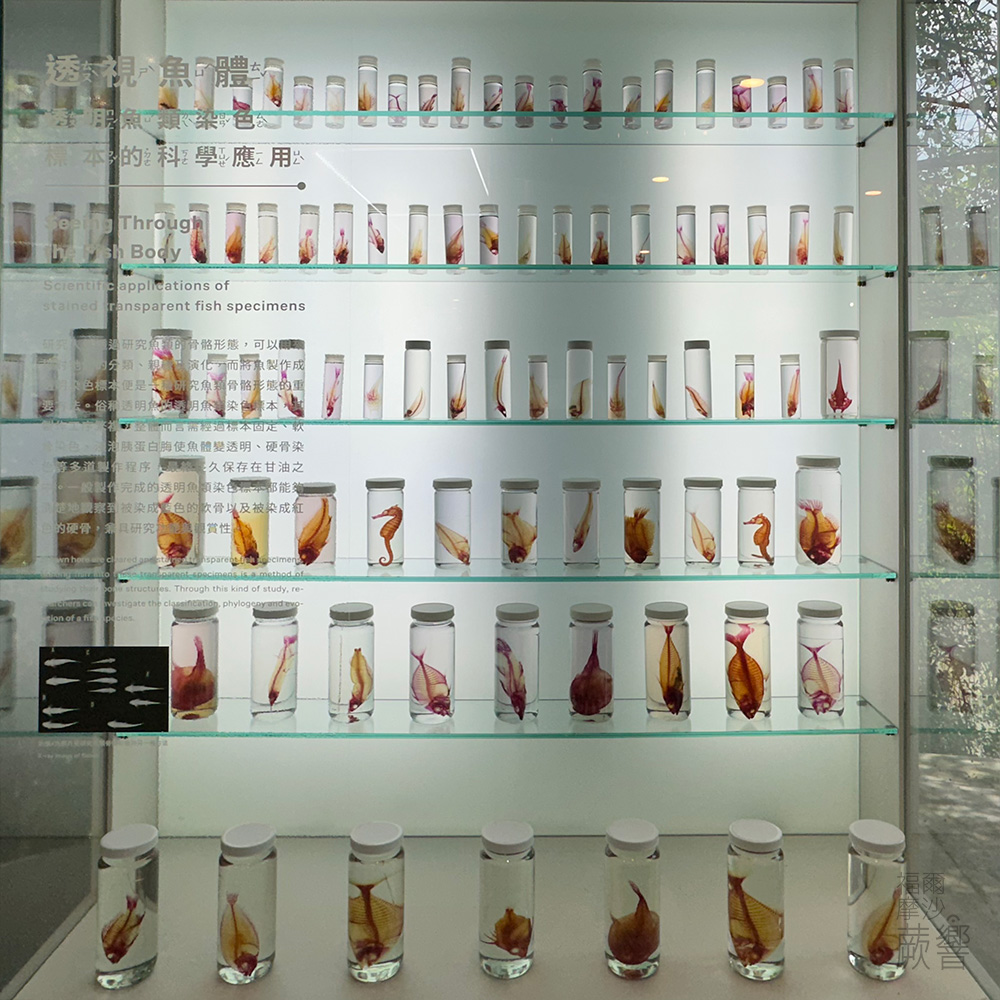
石首魚廣泛分布於全球溫帶至熱帶的沿近海域、半淡鹹水的河口以及淡水水域。全球已知有67屬298個物種,在臺灣則有13屬23個物種。牠們肉質鮮美,是餐桌上常見的魚類,我們熟知的黃魚就是石首魚。石首魚具有良好的聽覺,得力於他們內耳裡大且多樣的耳石,跟其他魚類相比非常特別呢!耳石也是牠們名字的由來。由於不同石首魚的耳石形態都不一樣,可以用來鑑定身分不明的耳石標本,甚至是埋藏在沉積物裡的化石標本。
沒錯!中研院生物多樣性研究中心的《海洋古生物實驗室》就是利用耳石化石找到五千多萬年前在美國南部最早的石首魚化石喔!雖然耳石是個小構造,卻能提供豐富的資訊。下一次吃魚時,試試翻找耳石,再拿本臺灣魚類耳石圖鑑對照,就可以鑑定魚喔!
The Sciaenidae family (croakers or drums) comprises fishes that inhabit temperate and tropical coastal and estuarine environments globally. They are noted for its diversity, with 12 genera and 22 species native to Taiwan. Croakers are well-known for their exceptional hearing abilities due to their uniquely large and diverse otoliths. These otoliths are taxon-specific and are widely-used in fossil studies. At the Marine Paleontology Lab of the Biodiversity Research Center, Academia Sinica, researchers have discovered the earliest sciaenid fossils by analyzing sediments dating back 50 million years.
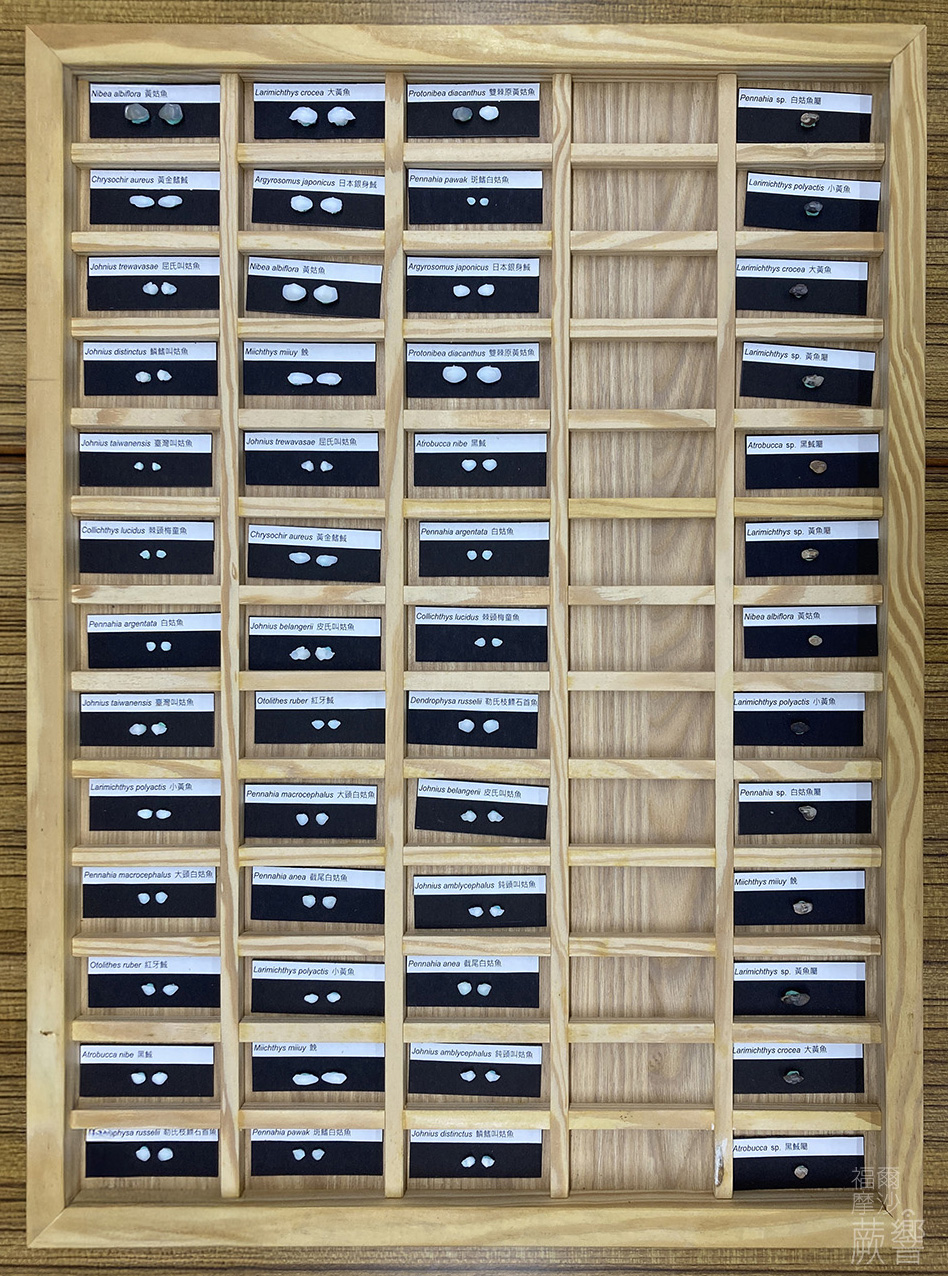
◼︎ 左:臺灣現生石首魚類的耳石
/右:臺灣石首魚類的耳石化石
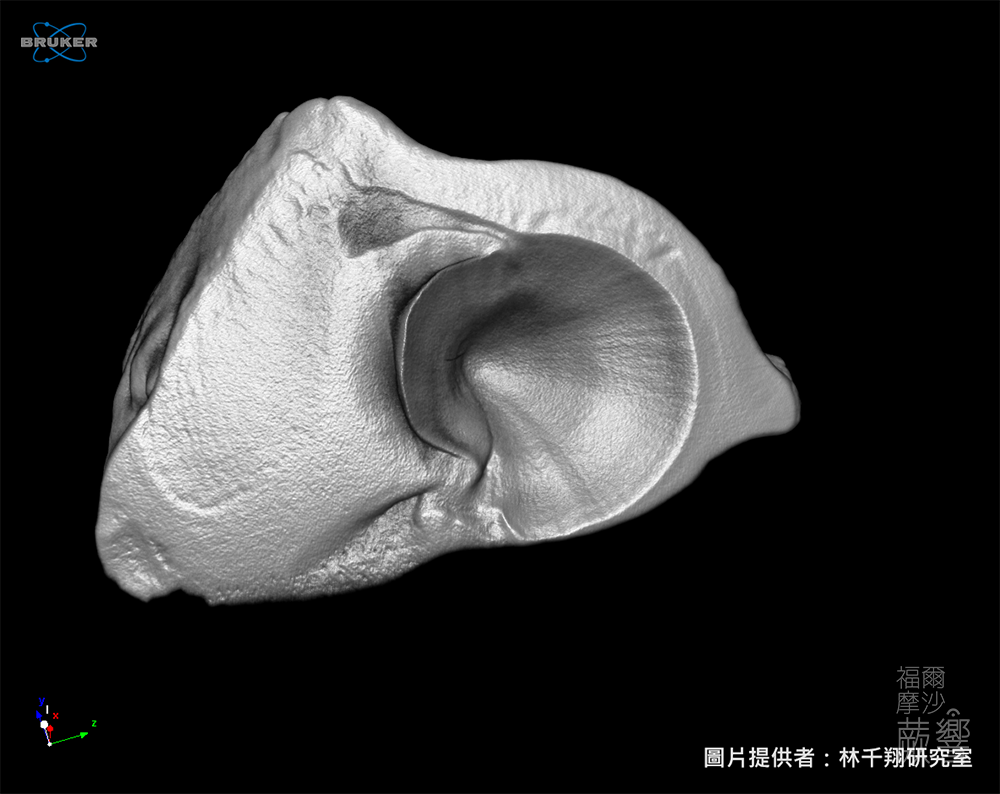
◼︎ 鱗鰭叫姑魚耳石的2D CT掃瞄照片
(圖片提供者:林千翔研究室)
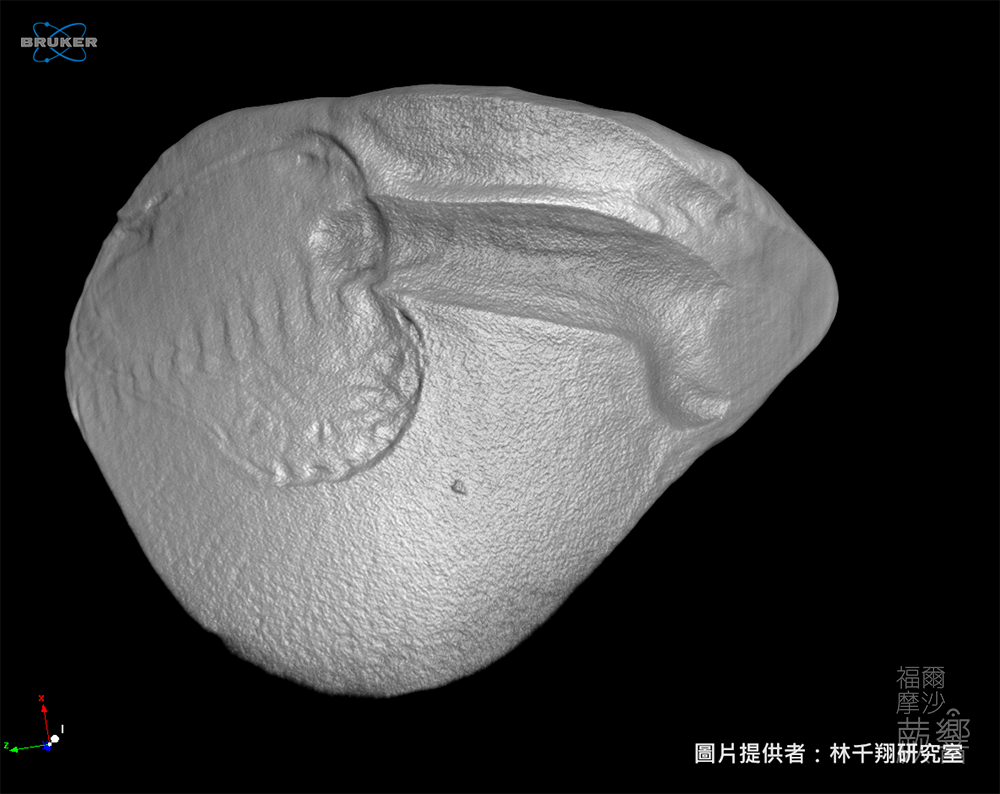
◼︎ 斑鰭白姑魚耳石的2D CT掃瞄照片
(圖片提供者:林千翔研究室)
「魚耳石」是魚類耳朵裡的碳酸鈣結晶,是魚類的聽覺零件。魚耳石在化石中保存十分完整。中央研究院所生物多樣性研究中心林千翔博士是全球頂尖的古生物學家,他帶領的「海洋古生物實驗室」以魚類的化石耳石為材料,配合院內最先端的地球化學及高階形態解析技術,在百萬年的地質尺度下,一窺古代魚群樣貌及環境之間的變動,讓我們能更有效地保護易受環境影響的魚類。林千翔博士將持續引領「從化石到生態保育」這項極具挑戰的開創性議題。
耳石是位於硬骨魚類內耳中的生物礦化碳酸鈣結晶體,主要功能為協調魚類的運動平衡及聽覺。且因為耳石在魚類死後不易分解,所以在古生物學上可做為辨識魚種的一項重要線索。魚類的內耳有三對耳石,分別為矢狀石(Sagitta)、扁平石(Lapillus)及星狀石(Astericus)。
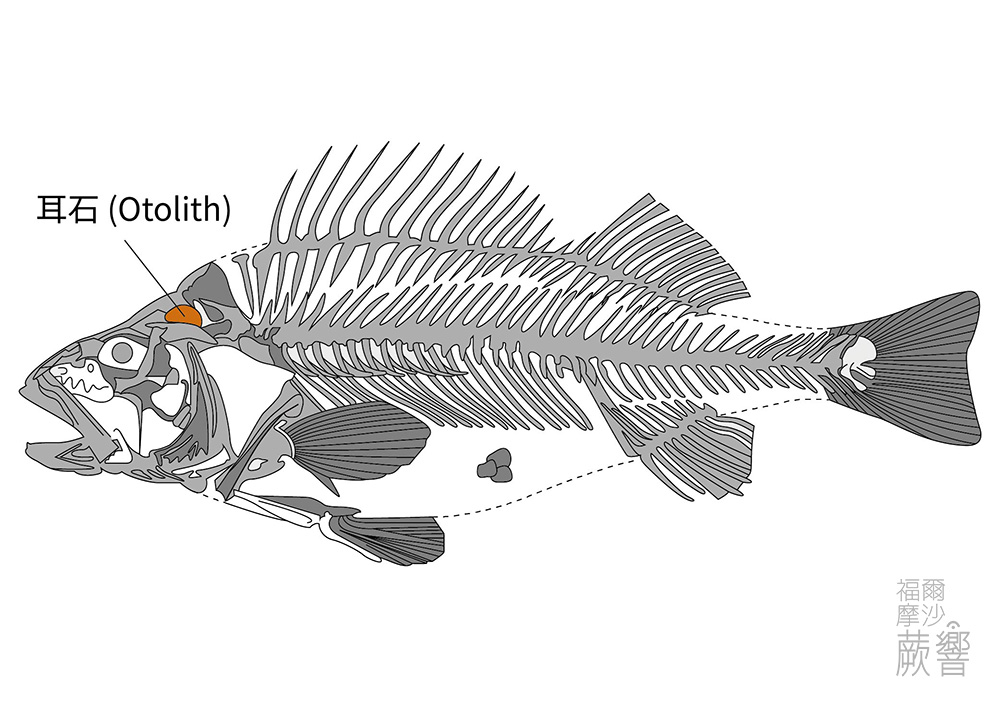
◼︎ 魚類耳石所在位置 What are the otoliths?
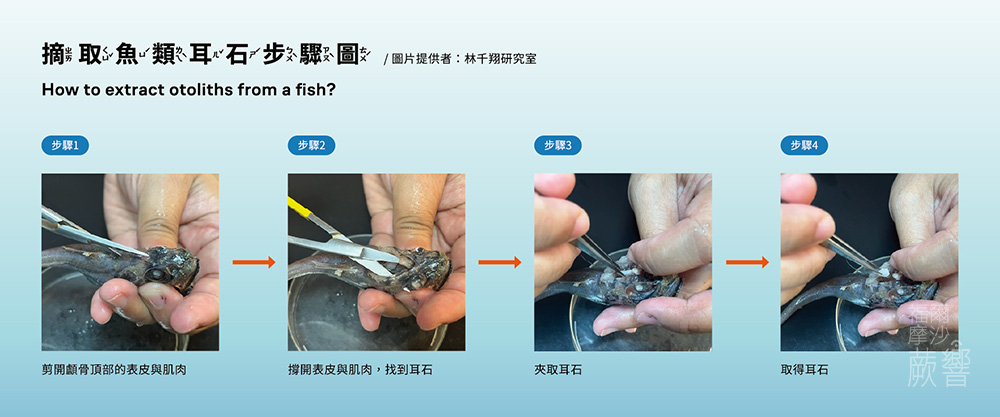
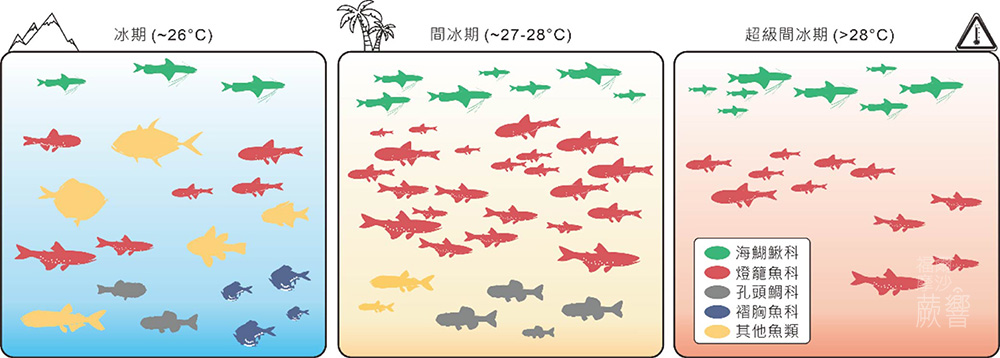
利用位於西南赤道太平洋的深海岩芯中的魚類耳石化石,我們重建了過去46萬年來的深海魚類組成,發現魚類群聚結構與海水溫度變化具有密切關係;若海水水溫超過正常的冰期間冰期海水範圍,魚類的多樣性及豐度將會降至極低點,很可能影響地球上最大的生物生態系結構,讓有機碳循環受阻。
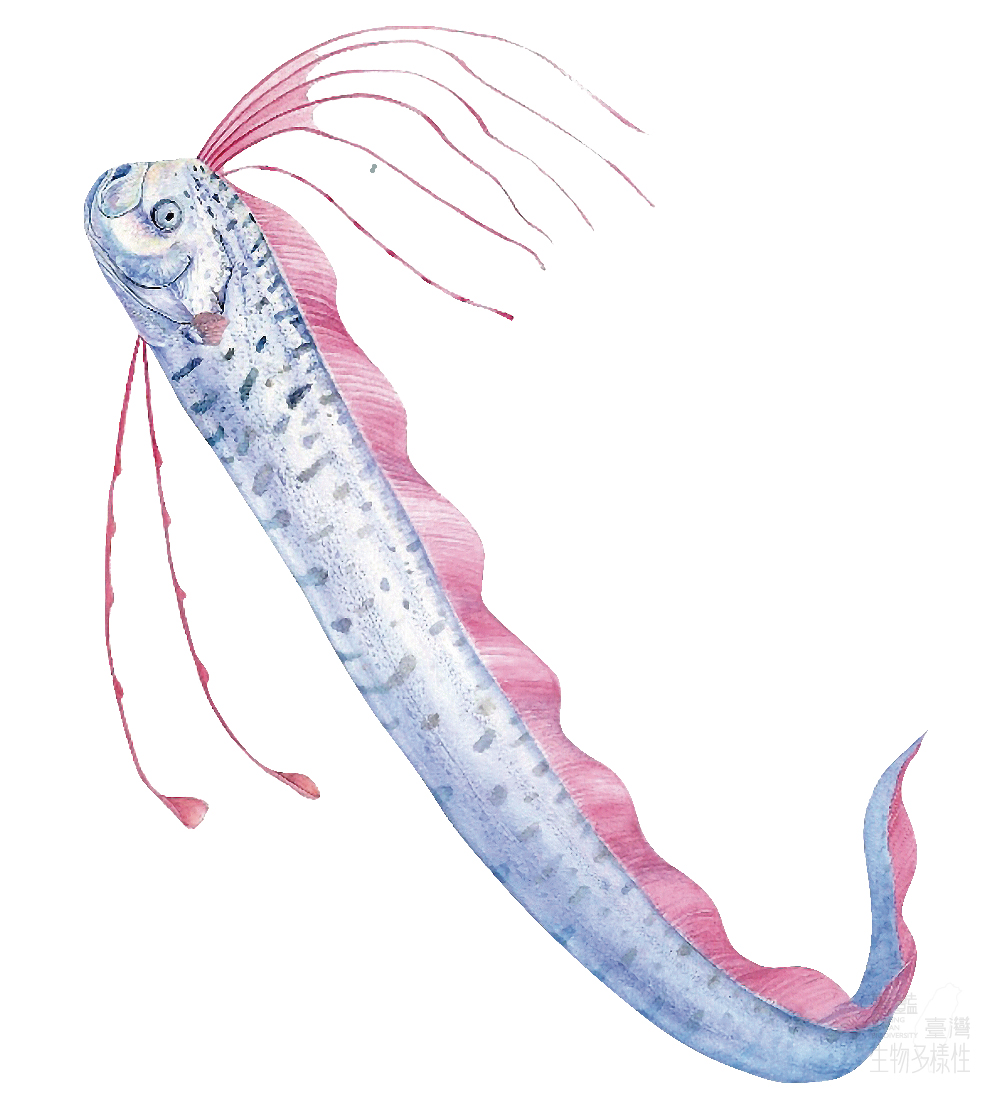
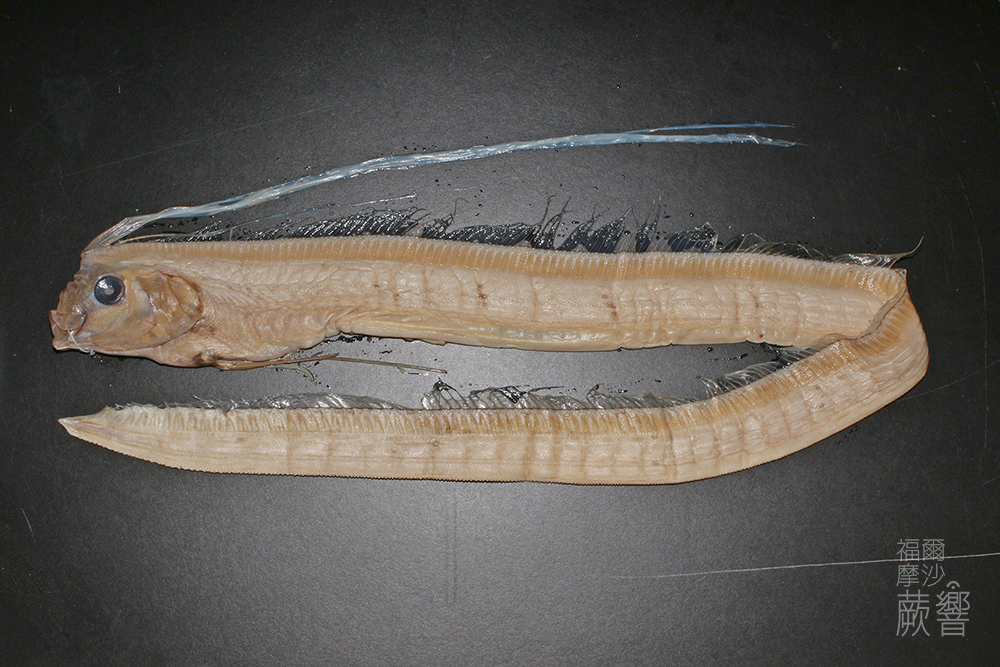
勒氏皇帶魚是一種罕見的深海魚類,由於相傳一旦皇帶魚現身,便預告著將有地震襲來,因此牠有著「地震魚」的神祕稱號,雖然到目前為止還沒有足夠研究證據能夠佐證二者之間的關聯性,但本院生物多樣性研究中心黃世彬博士及邵廣昭退休研究員在2022年所發表的研究提供了解答這個問題的線索。根據分析勒氏皇帶魚胃內容物的生物組成,顯示勒氏皇帶魚幼魚曾在夜間來到10多公尺深的淡水河河口水域捕食豐富的仔稚魚及甲殼類幼生,這個研究不僅首度揭秘皇帶魚會到河口水域覓食這種以往不為人知的生態習性,也說明覓食是皇帶魚現身淺海域的可能原因之一。
The Russell's oarfish (Regalecus russelii) is a rare mesopelagic fish and the scientific information about the species is very limited. In this study (Huang and Shao, 2022), we analyzed the stomach content of one individual of rare young Russell's oarfish collected from the shallow waters (15-18m deep) of the Tamsui River mouth in Taiwan. Based on the sampling information and biological characteristics of the fish larvae and crustaceans found in young oarfish's stomach, we conjectured that the abundance of these prey when they moved up to the upper layer of the Tamsui River mouth at nighttime had attracted the young Russell's oarfish to hunt there.
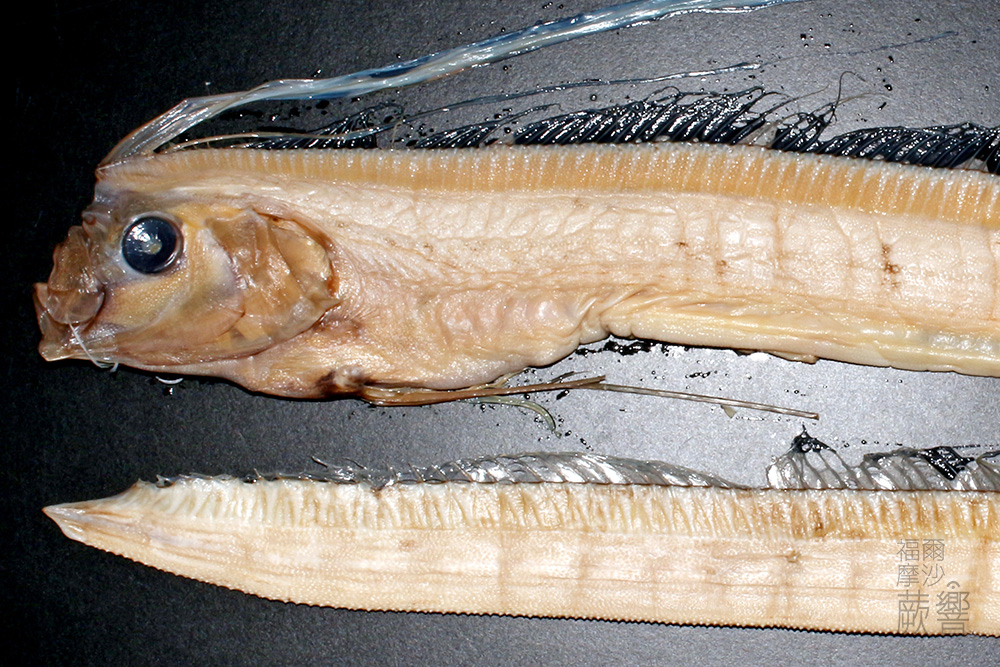
本研究所檢視的勒氏皇帶魚雖長達157.5公分,但還只是一條幼魚,牠最大可超過8公尺
The examined Russell's oarfish specimen in this study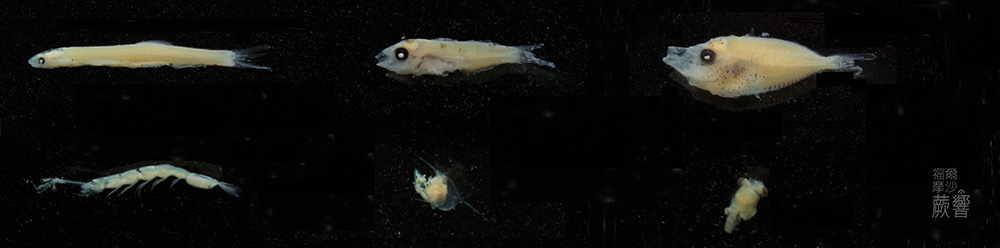
勒氏皇帶魚幼魚胃內容物中發現的食餌生物,包括仔稚魚和蝦蟹類的幼生,這說明吻仔魚是我們與勒氏皇帶魚的共同食物
Larval fishes and crustaceans found in Russell's oarfish specimen's stomach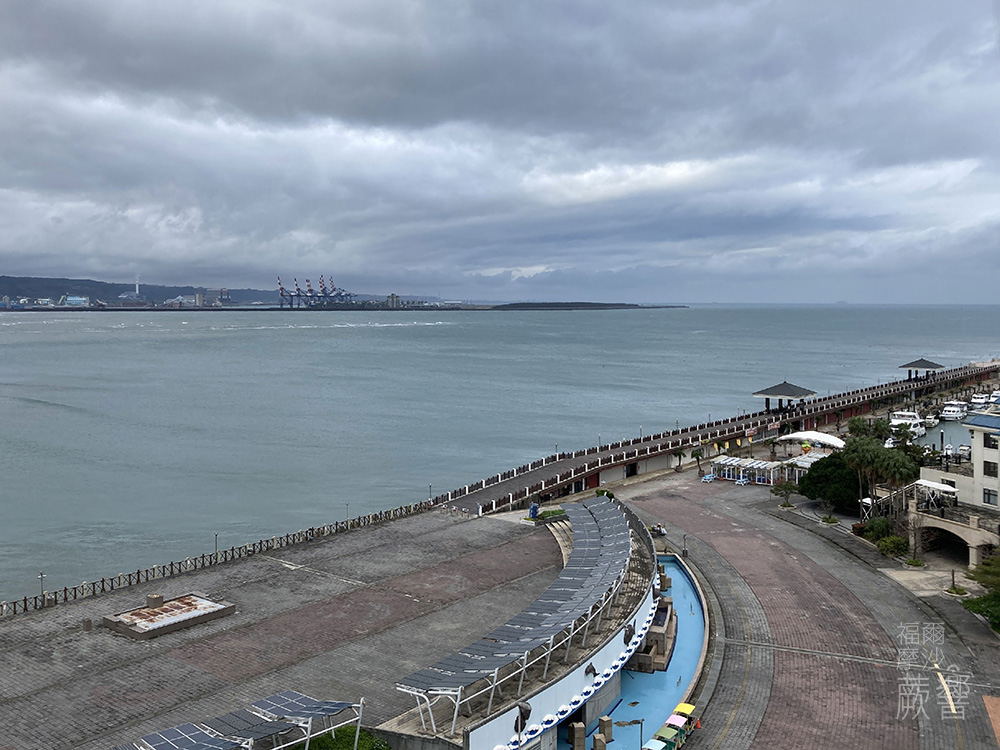
捕獲勒氏皇帶魚幼魚的水域,在臺北港外的河口水域
The sampling site of Russell's oarfish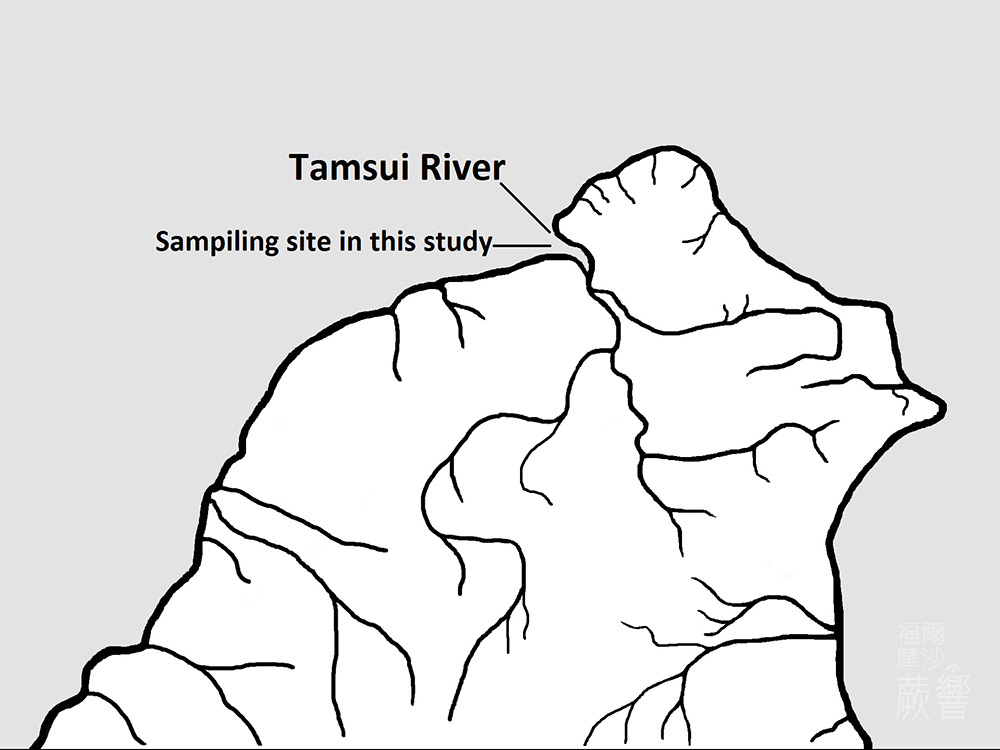
本研究位在淡水河口的採樣地點,這尾揭開皇帶魚祕密的標本就是在這裡被捕獲的!
The sampling site of Russell's oarfish in this study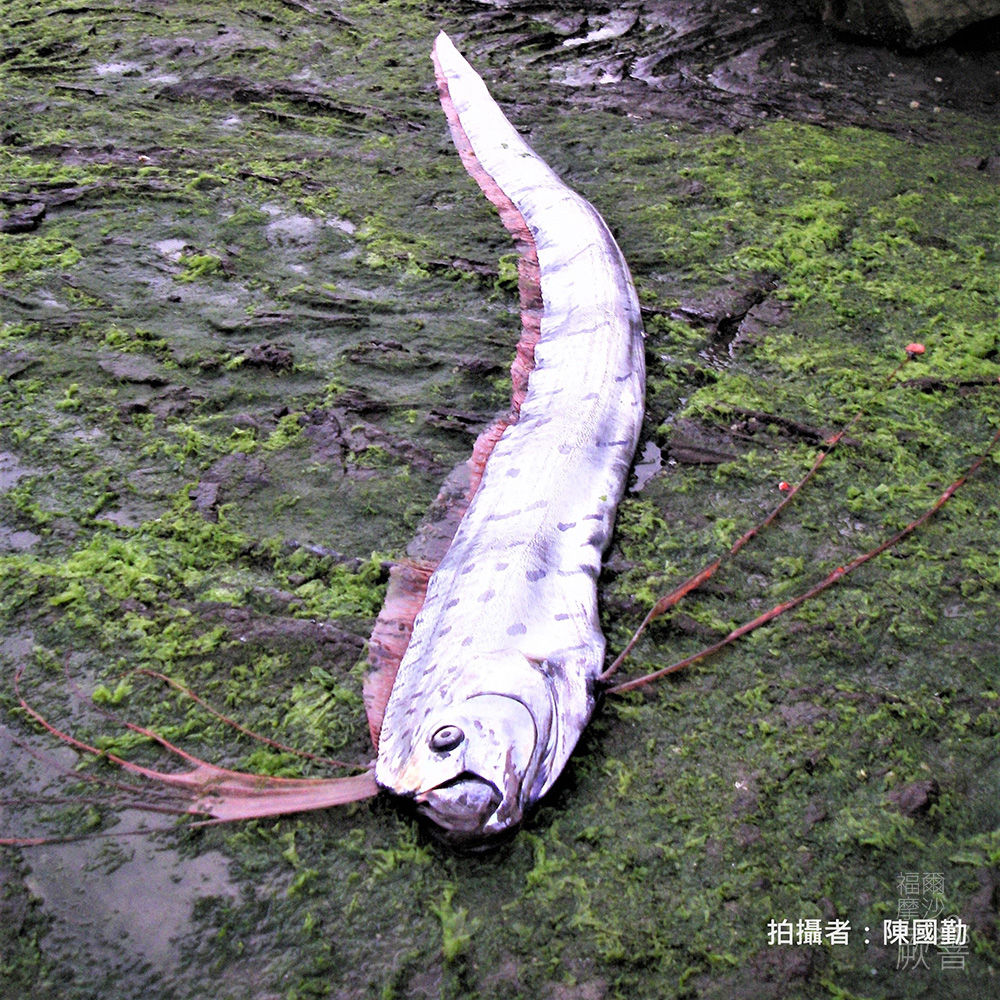
運用本院生物多樣性研究博物館—國內最大的魚類標本典藏所完成一項罕見深海魚類生態學研究;於海岸上發現的一尾死亡的勒氏皇帶魚成魚,這是皇帶魚最常被發現的狀態
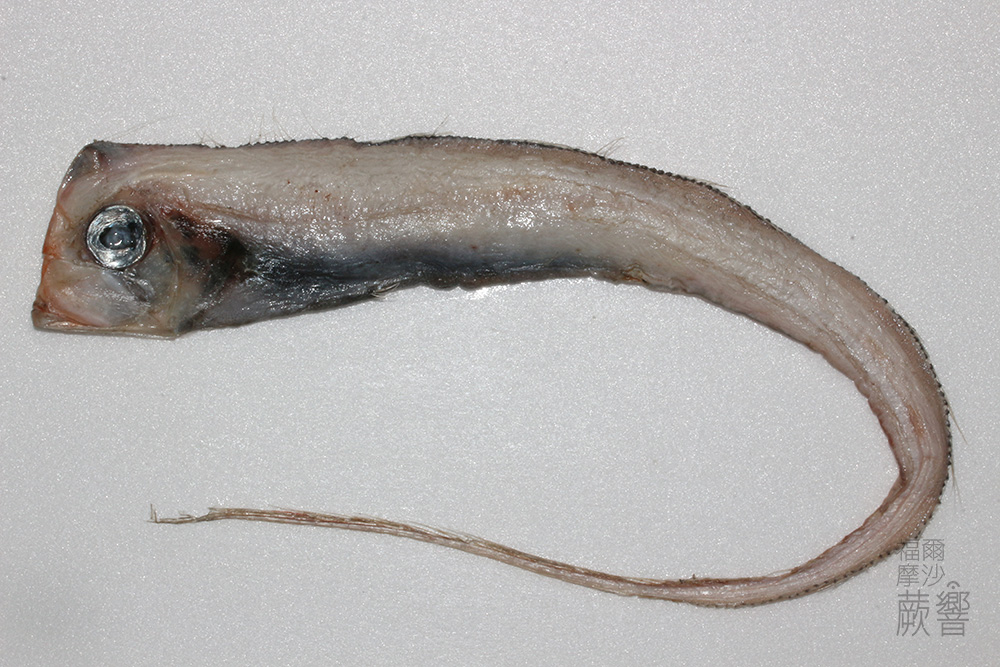
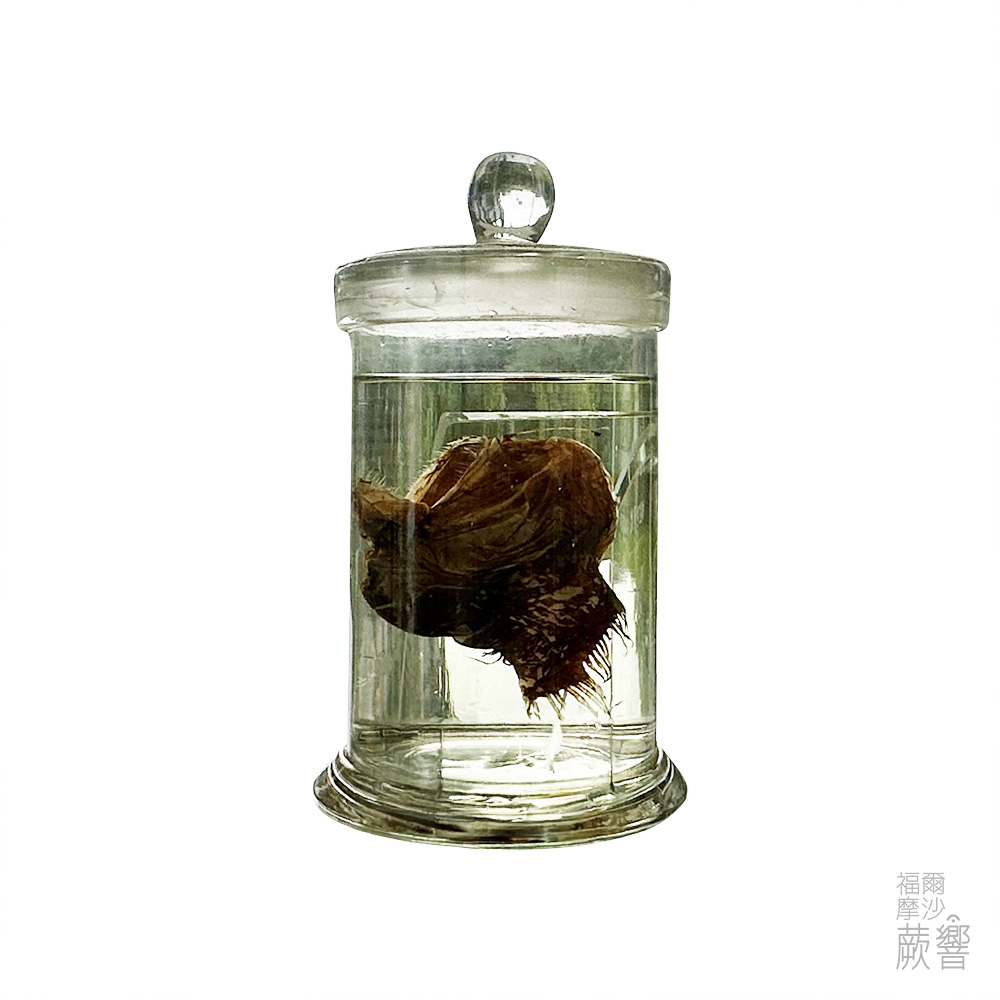
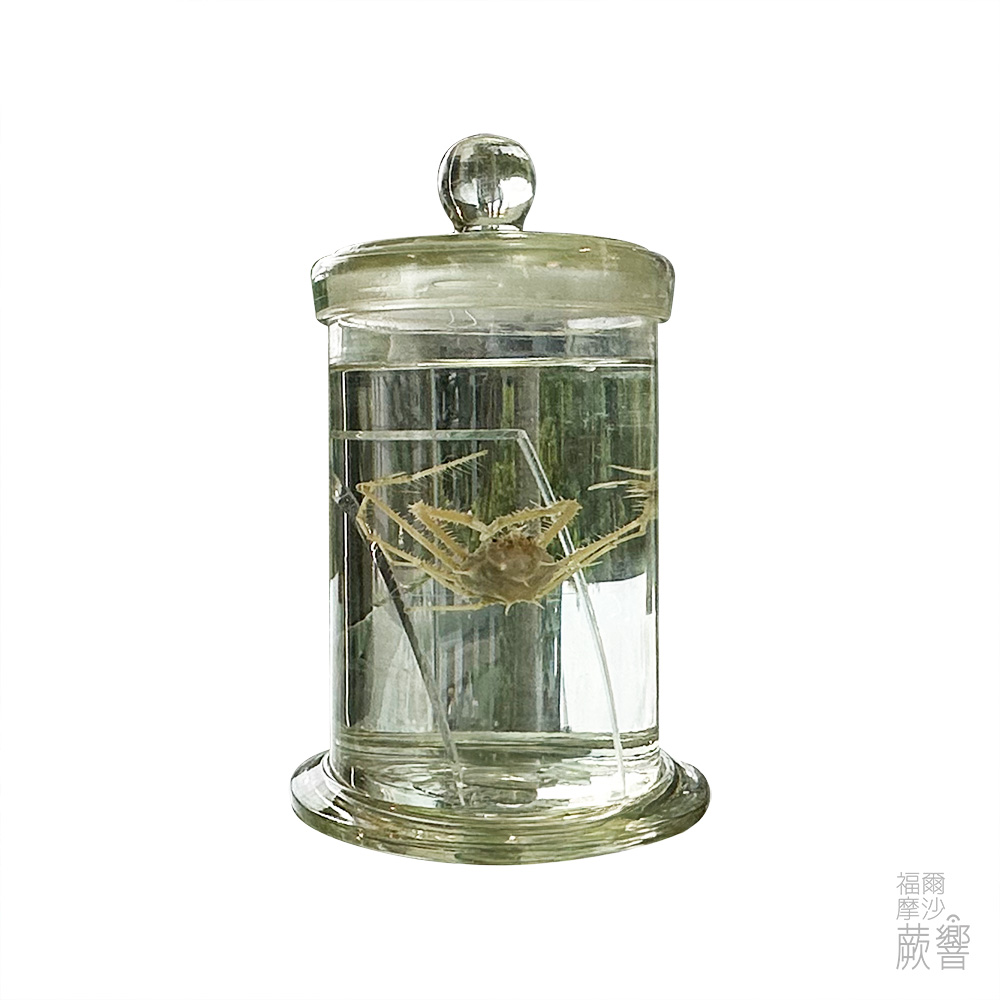
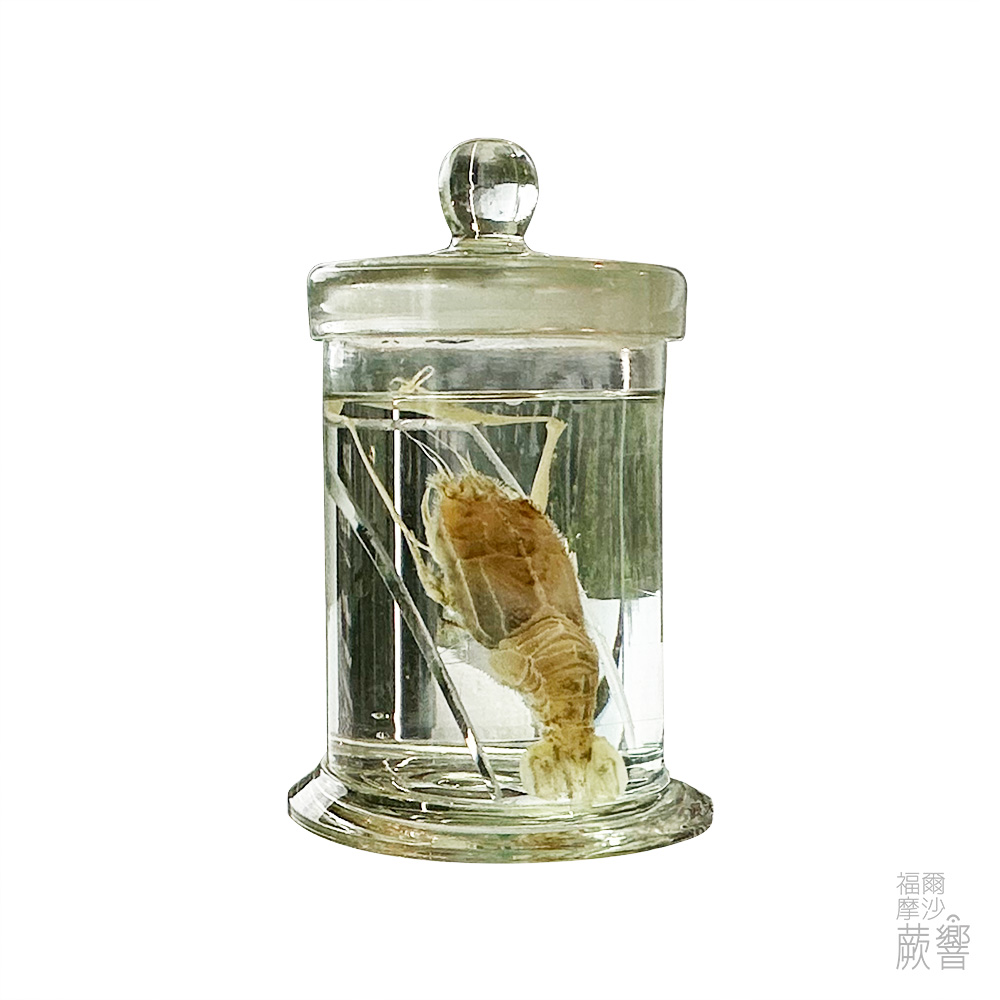
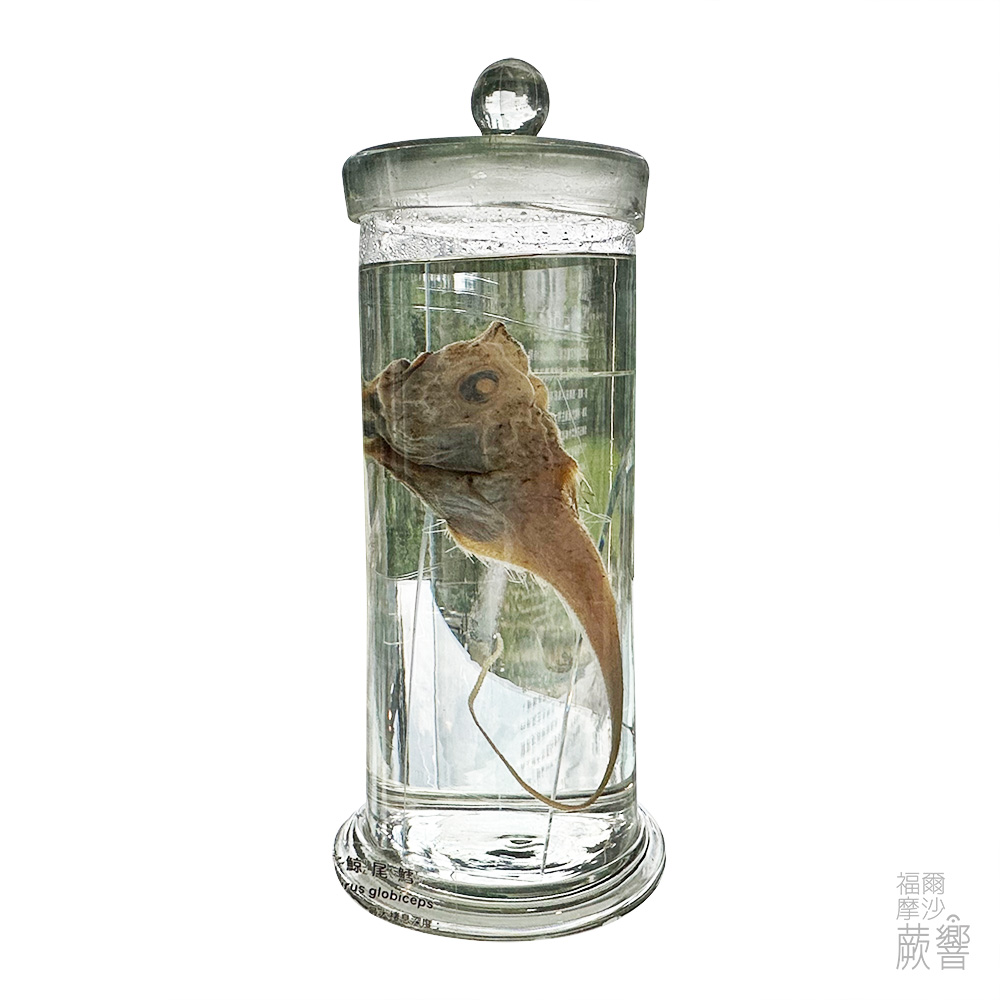
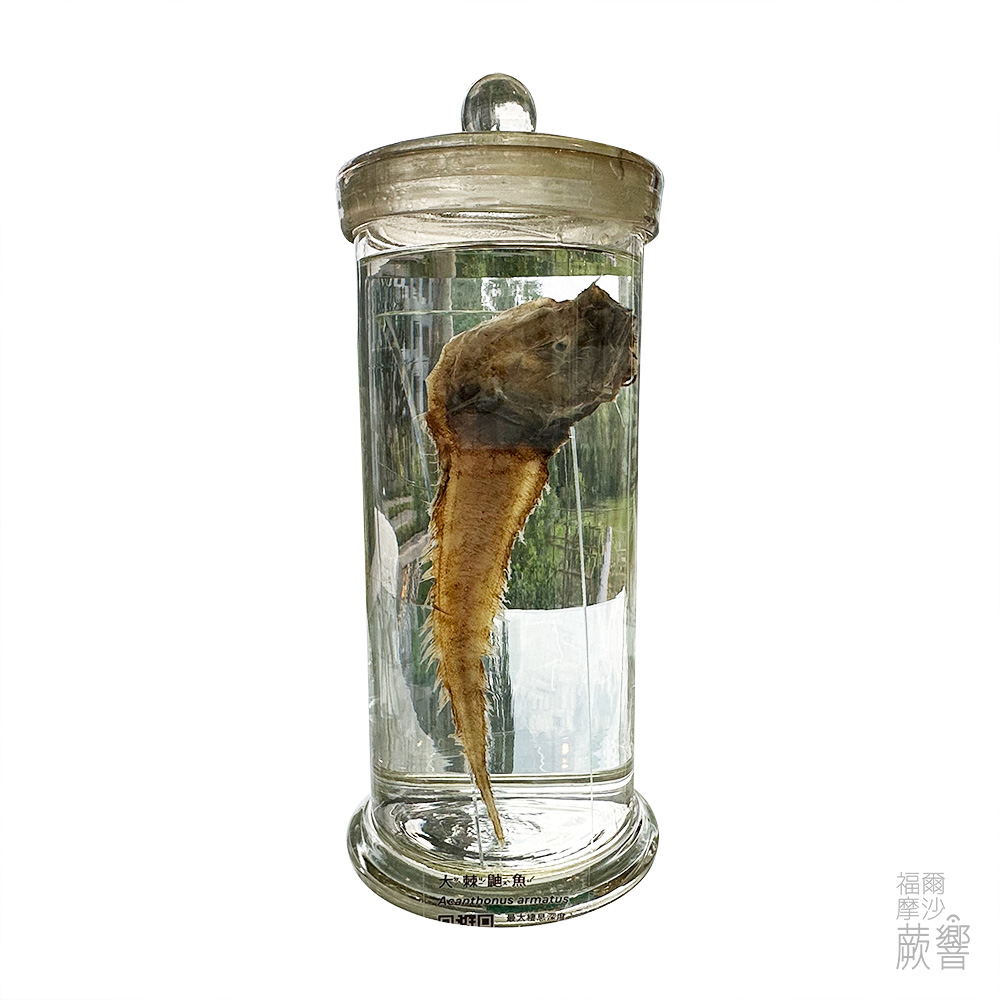
A dead Russell's oarfish found on the coast自海面下200公尺以深的海域一般稱之為深海,這個深度的海域大致上具有無光、水壓大、水溫低等與淺海截然不同的環境條件。而棲息在深海的各種生物為了適應特殊的深海環境,演化出奇特的形態特徵,並具有特殊的覓食及溝通行為。雖然臺灣的東北部、東部、西南部外海都有著廣闊的深海,相較於淺海生物,深海生物的採樣及研究工作都困難許多,因此迄今我們對深海生物多樣性的認識仍然極為有限。現在就讓我們透過展覽櫥窗,一窺棲息在臺灣的深海秘境中,各種特殊生物的真實面貌吧。
Displayed here are several unique organisms that inhabit the deep waters of Taiwan. In order to adapt to the extreme environment of darkness and high pressure, these deep-sea creatures have evolved to have a variety of special features.
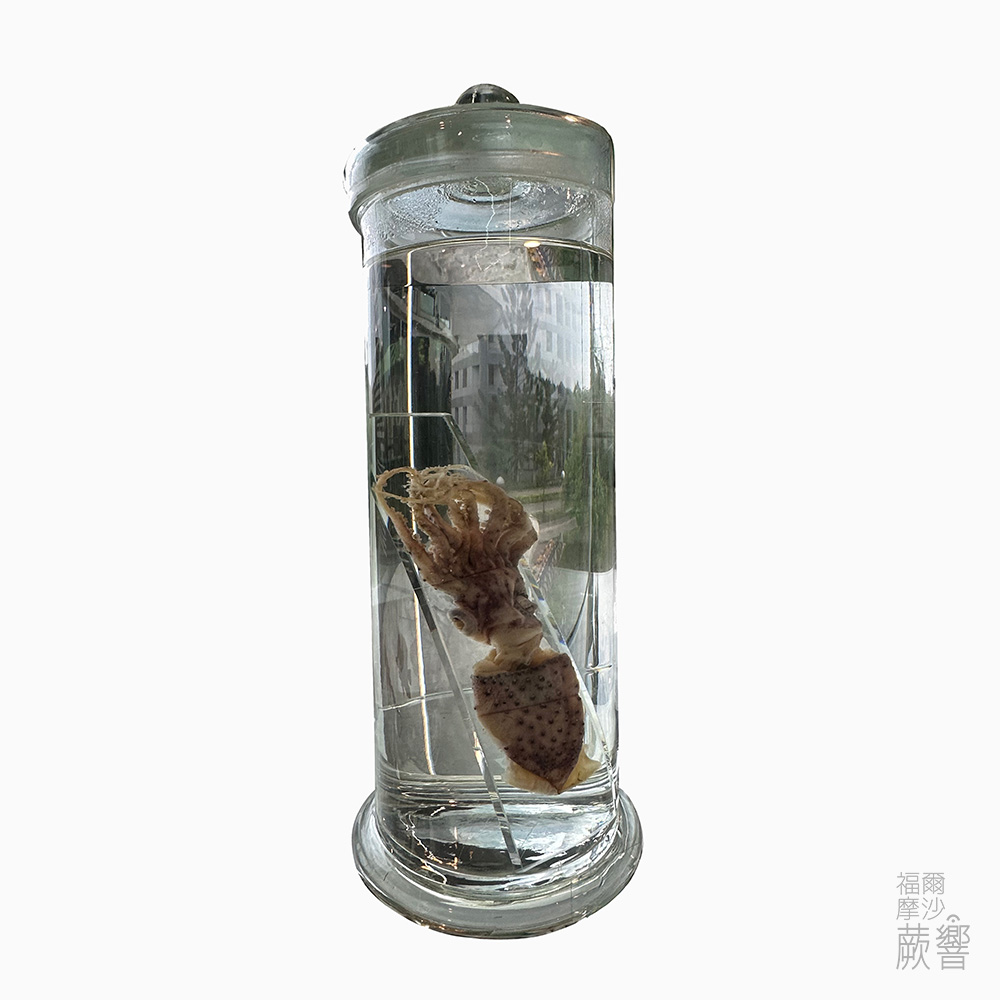
帆魷屬(Histioteuthis)是典型的深海生物,身上不僅具有許多像燈泡一樣的發光器,更特別的是牠擁有尺寸不對稱的雙眼,左眼大約是右眼的兩倍大。已知這對尺寸不對稱的眼睛有助於帆魷在深海的黑暗環境中生存。
Covered with light-emitting devices, the deep-sea cock-eyed squid have two eyes of different sizes. Their left eyes are about twice the size of their right eyes. This special evolutionary feature helps the cock-eyed squid to survive in the dark environment of the deep sea.
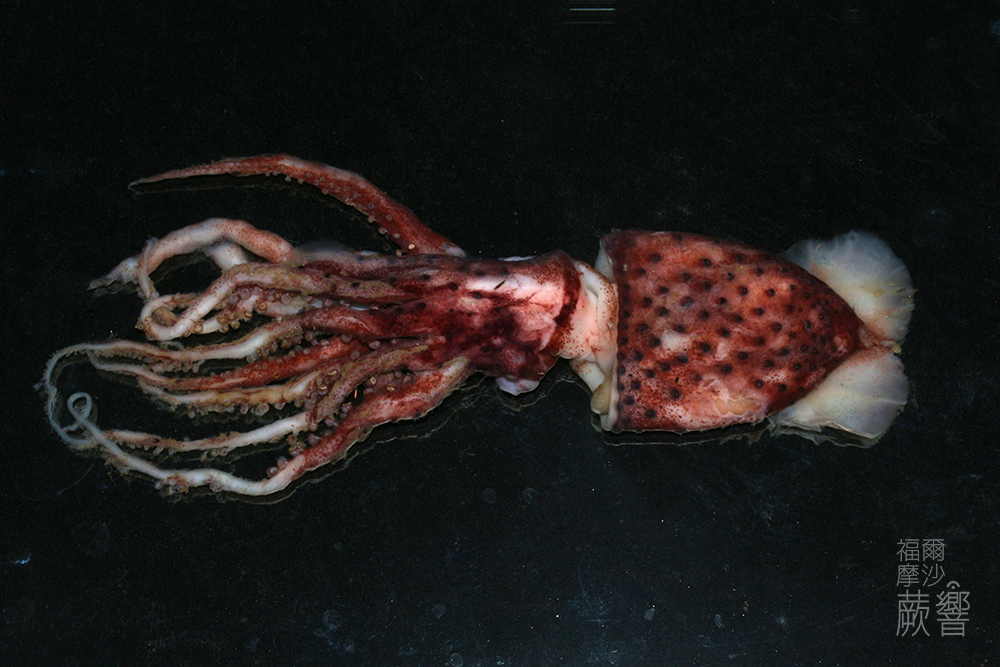
◼︎ 未發光狀態下的帆魷
Cock-eyed squid (Histioteuthis sp.)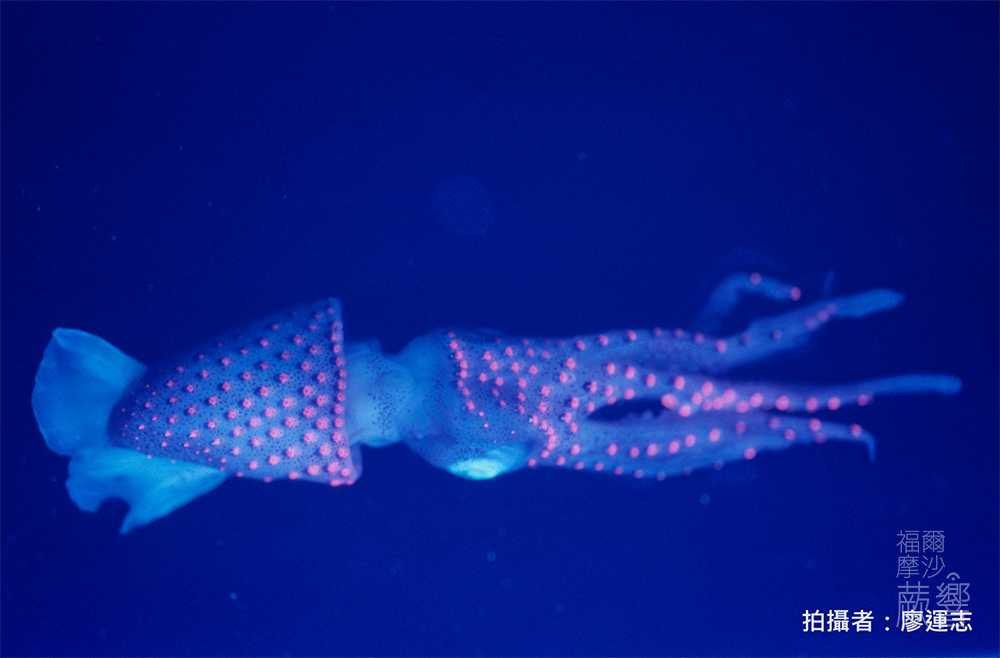
◼︎ 發光狀態下的帆魷
(圖片提供者:廖運志)
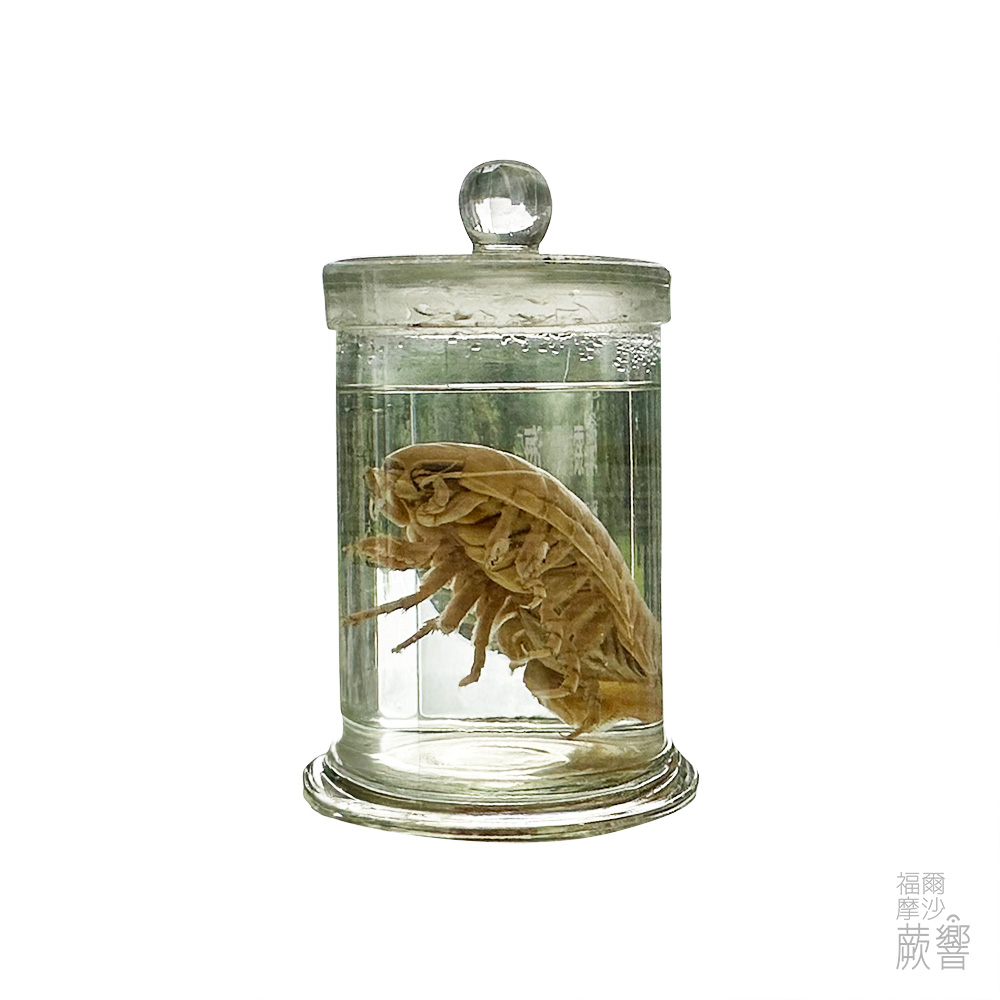
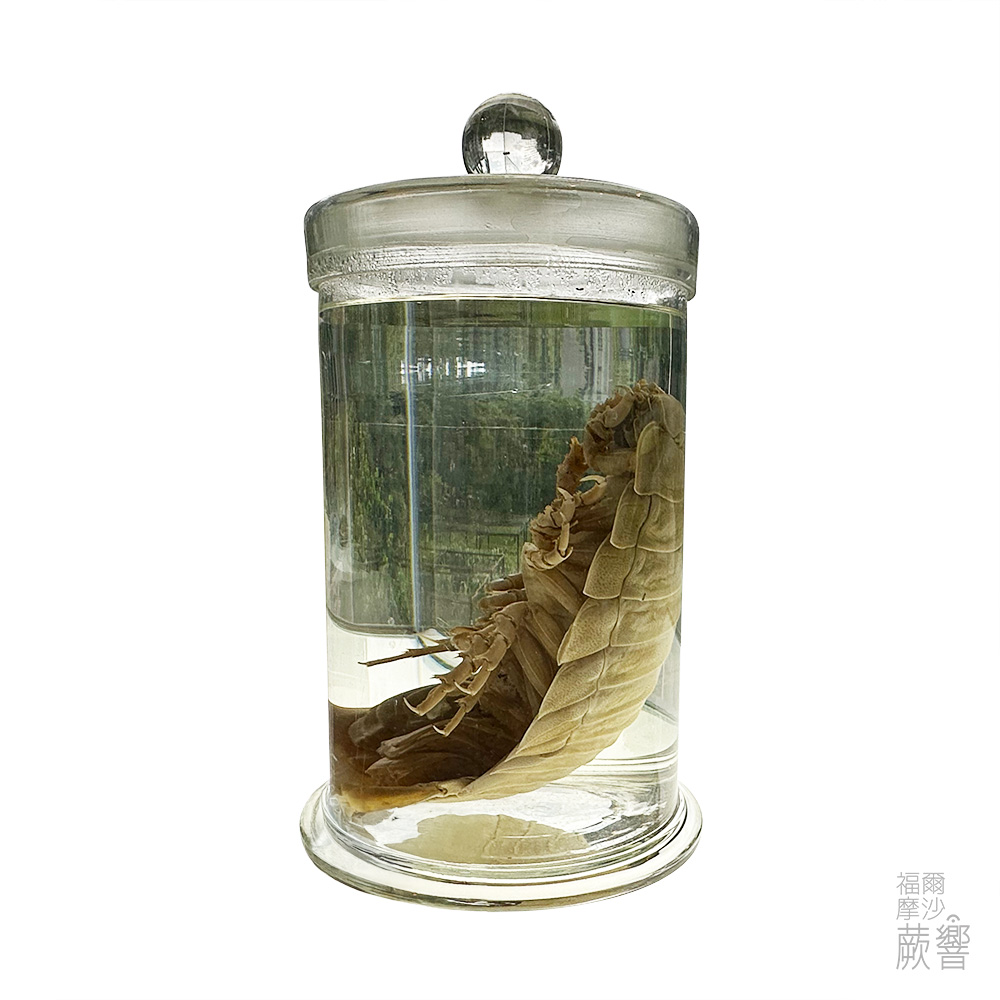
大王具足蟲是棲息在深海底層的等足類動物,牠與棲息在淺水區的其他等足類相比,體型大了許多。近來大王具足蟲在國內也被作為食物端上餐桌,但已知牠會攝食動物屍體,因此牠的體內可能有毒素殘留或重金屬累積,如欲食用應充分了解其風險。
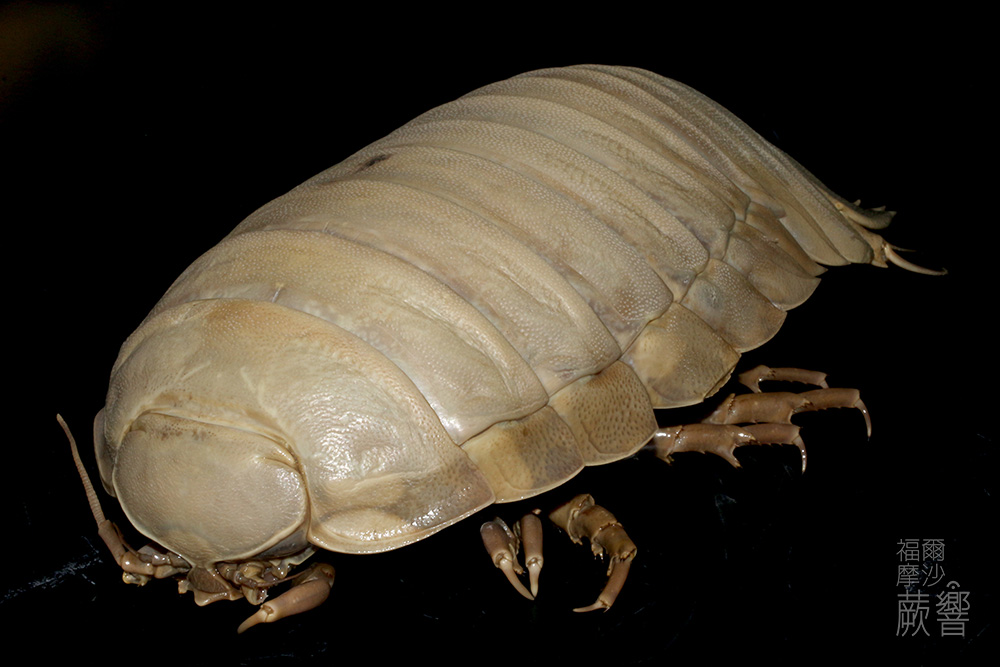
◼︎ 棲息於深海底層的詹姆斯大王具足蟲
James giant isopod (Bathynomus jamesi)
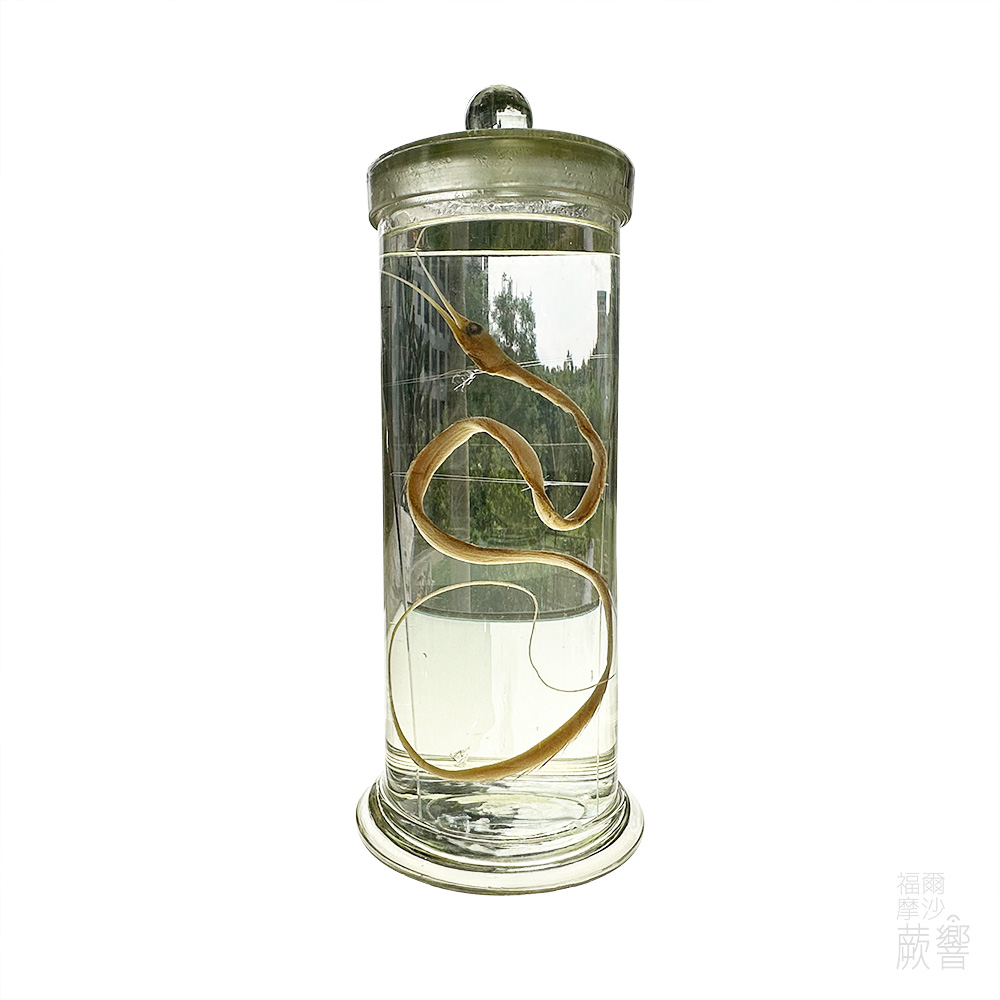
勒氏皇帶魚既有「地震魚」的稱號,又有「龍宮使者」的威名。生活在大洋表層至約一千公尺深海域的皇帶魚不僅神秘,也是全世界最長的硬骨魚類之一。有別於深海魚常見的闊口獠牙容貌,皇帶魚有著延展如絲的漂亮鰭條,且口中沒有牙齒,皇帶魚挺直著身軀已幾近垂直的角度游泳,主要仰賴長長的背鰭以波浪狀擺動緩緩前進,姿態特殊且優雅。
The Russell's oarfish (Regalecus russelii) also known as “earthquake fish”, inhabiting surface ocean to about 1000 m deep, seem to be mysterious from all angles. Oarfish do not resemble the stereotype deep-sea fishes with large mouths and sharp teeth. Their first fow dorsal fin rays and pelvic fin rays are elongated. While swimming, those dorsal fin rays are usually extended into a crest, while the pelvic fins remain dragging gracefully. With their elongated body, reduced caudal fin and the lack of anal fin, oarfish do look like snakes at a glance, explaining why they are said to be the prototype of sea serpents in various mythologies. However, oarfish do not swim by lateral undulation as sea snakes do. Underwater observations showed that oarfish usually swim in a vertical position with their body remain straight, and slowly propel by rhythmical dorsal fin undulation.